Amblyopia treatment beyond patching: the 9-phase binocular protocol treating suppression, fusion and stereopsis in children and adults.
Book a ConsultationWhy Amblyopia Treatment Needs More Than Patching
Amblyopia treatment beyond patching: the 9-phase binocular protocol treating suppression, fusion and stereopsis in children and adults.
For decades, amblyopia - commonly known as lazy eye - has been treated primarily with spectacles followed by patching of the stronger eye. Patching remains an evidence-supported treatment for selected patients, but modern neuroscience and binocular vision research have significantly changed how the condition is understood.
Amblyopia is now recognised as a developmental disorder of the entire visual system - involving not just visual acuity, but binocular vision, suppression, stereopsis, fixation, oculomotor control, accommodation, visual processing and cortical neural connectivity. The clinically relevant question is no longer simply whether patching can improve visual acuity, but whether patching alone can restore a stable, functional binocular visual system. For children with significant suppression, strabismic amblyopia, anisometropic amblyopia, mixed or residual amblyopia, and for older children and adults, the evidence suggests that patching alone is often not sufficient.
What Is Amblyopia, Really?
Amblyopia is a neurodevelopmental disorder of vision caused by abnormal visual experience during the critical period of visual development. The disorder originates primarily within the visual cortex and associated binocular processing pathways, rather than within the eye itself. Common causes include strabismus, anisometropia, high refractive error, visual deprivation, prematurity, congenital cataract, ptosis, and other neurological visual developmental disorders.
Amblyopia Is a Brain Disorder, Not Simply an Eye Disorder
Research over the past five decades has demonstrated that amblyopia produces abnormalities throughout the visual system, including the primary visual cortex (V1), extrastriate cortex, dorsal and ventral visual streams, binocular cortical neurons, magnocellular and parvocellular pathways, visual attention networks, and sensorimotor integration pathways. Consequently, amblyopia affects much more than visual acuity alone.
Where Patching Alone Falls Short
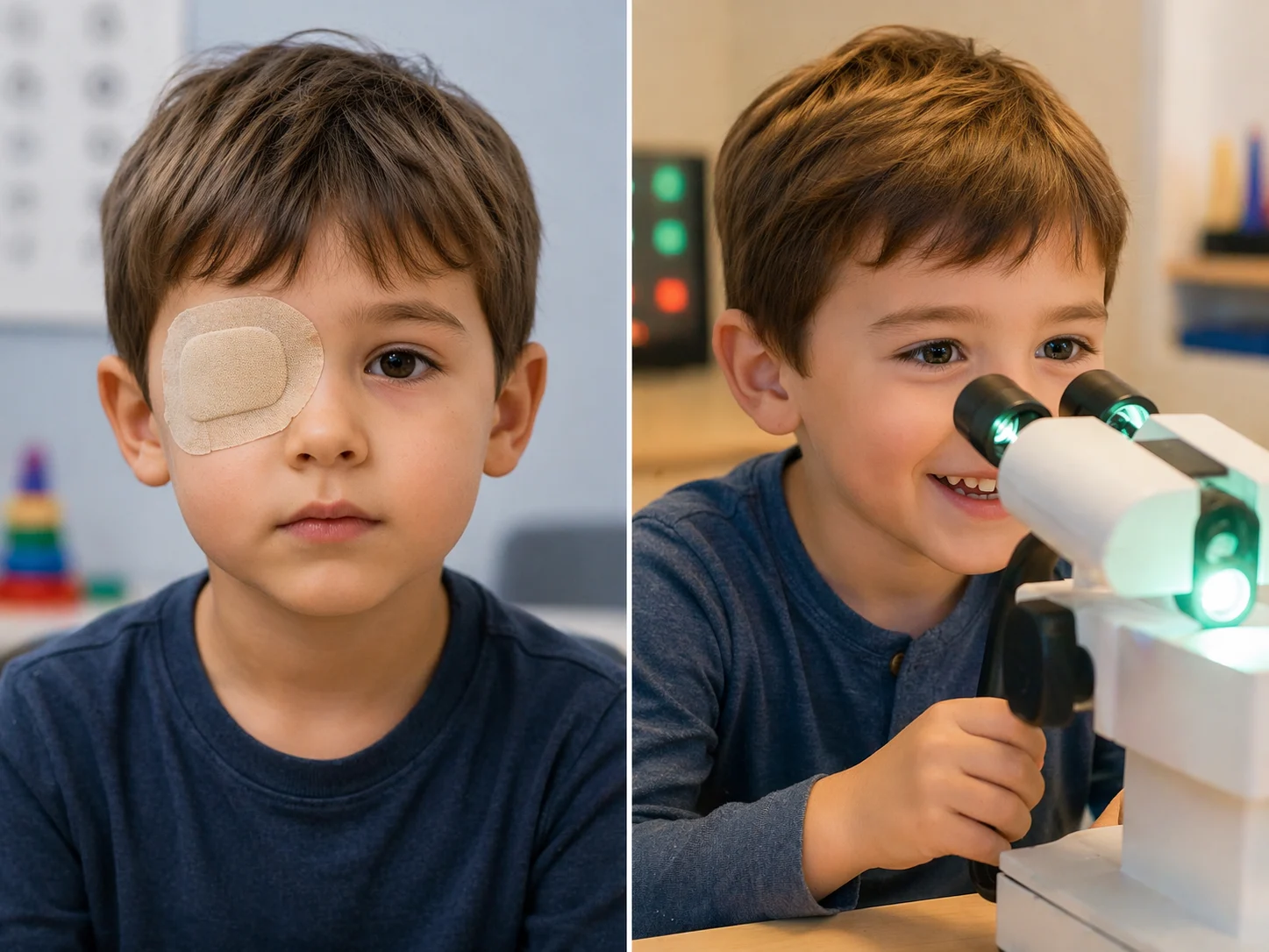
Historically, treatment consisted of spectacle correction, occlusion (patching), and atropine penalisation in selected cases - the objective being to force the weaker eye to work harder by covering the stronger one. Landmark studies by the Pediatric Eye Disease Investigator Group (PEDIG) have demonstrated that patching can improve monocular visual acuity in many children, particularly younger patients. However, improvements in acuity do not necessarily equate to restoration of normal binocular function.
Although patching can stimulate the amblyopic eye, it generally does not directly address many of the underlying binocular and sensory abnormalities that characterise amblyopia. Potential limitations include persistent suppression, incomplete restoration of stereopsis, residual binocular dysfunction, poor vergence control, reduced accommodative accuracy, limited improvement in eye movement quality, recurrence after treatment is stopped, and reduced transfer of visual acuity gains into real-world functional performance. This does not mean patching is ineffective - it means patching alone may not be sufficient for every patient, especially when the goal is long-term binocular visual function.
Why Binocular Vision Is the Real Goal
Normal vision depends on continuous integration of information from both eyes. The brain must align both eyes, maintain fusion, prevent suppression, process binocular disparity, generate stereopsis, coordinate vergence and accommodation, and maintain fixation - functions that monocular treatment alone cannot restore.
The Hidden Sensory Adaptations Behind Amblyopia
One of the defining characteristics of amblyopia is that the brain develops sensory adaptations to avoid confusion or double vision. These adaptations require targeted rehabilitation rather than passive observation.
Deep Cortical Suppression
The brain actively suppresses visual input from the amblyopic eye, which is often the single biggest barrier to restoring binocular function.
Anomalous Retinal Correspondence (ARC)
In some forms of strabismus, the brain adapts an abnormal retinal correspondence in order to maintain single vision.
Eccentric or Unsteady Fixation
Some patients develop unstable or non-foveal fixation strategies that reduce visual efficiency and are not corrected by patching alone.
The Binocular Vision Therapy Protocol at Caring Vision
Every patient undergoes a full developmental vision evaluation before treatment planning. Although each programme is individualised, rehabilitation commonly progresses through nine carefully sequenced phases:
- Full developmental vision assessment - functional visual acuity, refraction, ocular health, eye alignment, suppression analysis, Worth Four Dot and Bagolini testing, stereoacuity, fixation pattern, accommodation, vergence, oculomotor function, contrast sensitivity and visual processing.
- Optical optimisation - precise spectacle correction to establish the best possible optical foundation before active rehabilitation begins.
- Appropriate monocular therapy - carefully prescribed patching or pharmacologic penalisation, where clinically indicated, to improve monocular visual function before advancing to binocular rehabilitation.
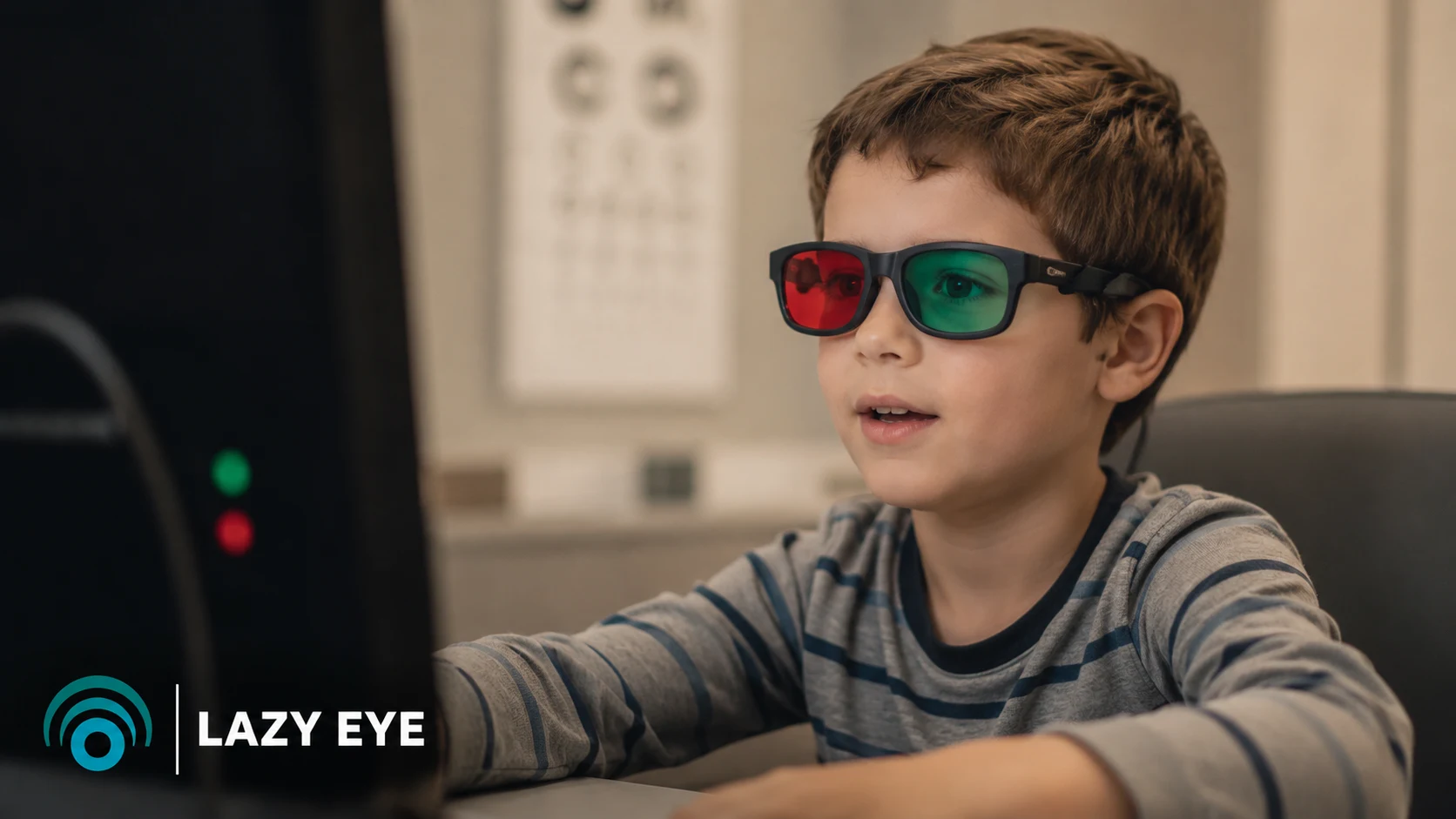
- Breaking suppression - carefully graded binocular activities that encourage simultaneous use of both eyes.
- Developing simultaneous perception - learning to appreciate visual input from both eyes at the same time while maintaining comfort.
- Fusion development - establishing stable sensory and motor fusion.
- Vergence rehabilitation - exercises that improve convergence, divergence and fusional reserves.
- Stereopsis development - depth perception is introduced and refined progressively according to the patient's visual capabilities.
- Visual processing and functional integration - higher-order visual skills are integrated into everyday activities including reading, writing, sports, classroom participation and occupational tasks.
The exact combination of interventions varies according to the patient's diagnosis, age, visual status and clinical goals.
Is It Too Late for Teenagers and Adults?
One of the most persistent myths is that amblyopia cannot be treated after early childhood. Modern research demonstrates that the adult visual system retains a degree of neuroplasticity. Although outcomes are generally more variable and may differ from those achieved during early childhood, carefully selected teenagers and adults can experience clinically meaningful improvements in visual acuity, binocular function, suppression, stereopsis and visual performance when appropriately evaluated and treated.
Premature Infants and High-Risk Children
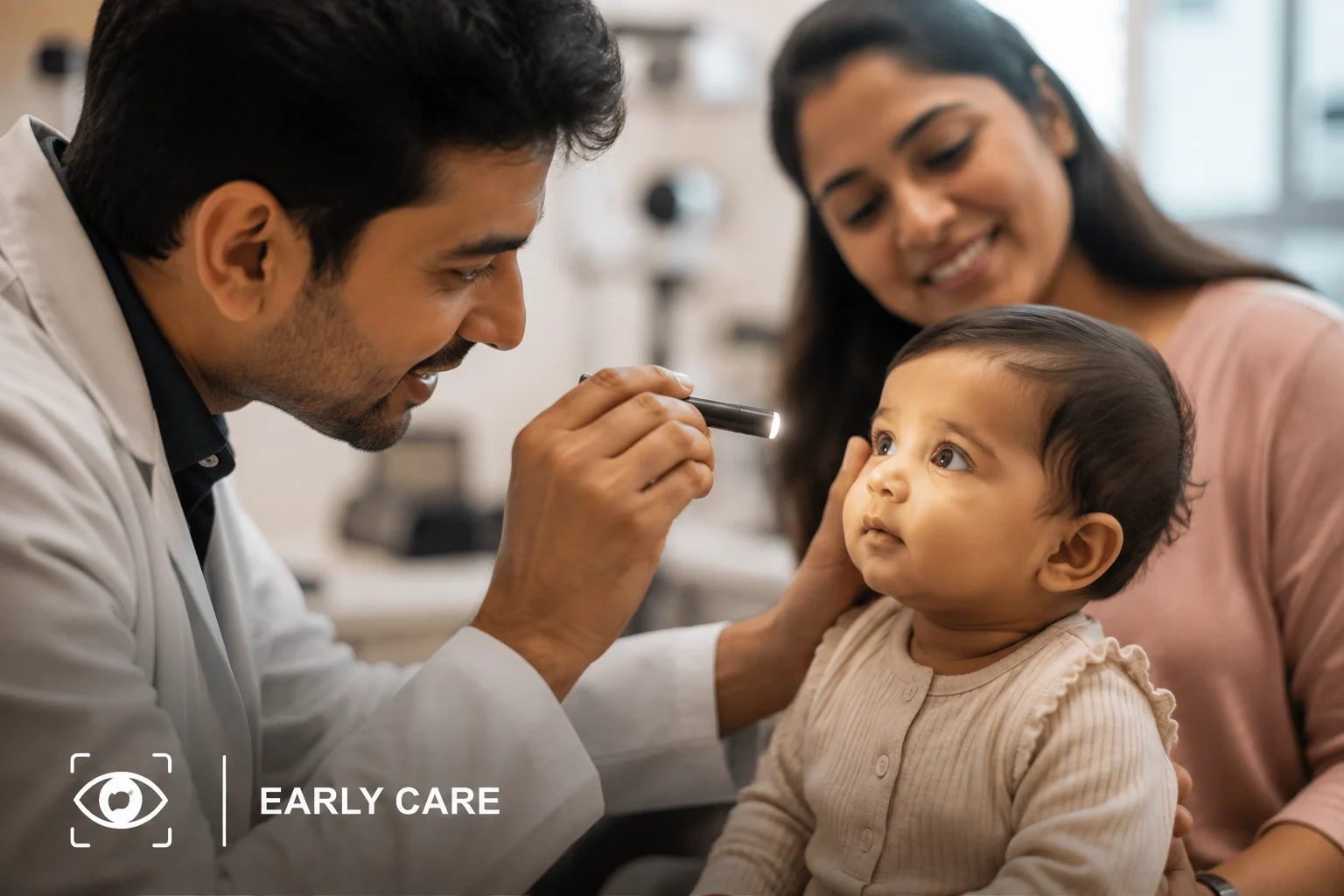
Children born prematurely or with neurological complications are at increased risk of refractive amblyopia, strabismus, oculomotor dysfunction, delayed visual development and cortical visual impairment. Early developmental vision evaluations enable timely identification and management, helping to support visual development during critical periods.
Why Choose a Developmental Vision Centre?
Complete amblyopia management requires expertise that extends beyond prescribing glasses or patching. Developmental vision centres evaluate how the eyes and brain work together, using standardised assessments and individualised rehabilitation programmes matched to each patient's needs - including full developmental vision examinations, binocular vision evaluation, evidence-informed office-based vision therapy, home reinforcement programmes, functional outcome monitoring, parent education, and collaboration with ophthalmologists, pediatricians, neurologists and educators.
Amblyopia management has evolved from a monocular model focused on visual acuity to a broader understanding of binocular vision and neurodevelopment. Patching remains an important therapeutic tool for the right patient at the right stage, but it represents only one part of complete care - because successful amblyopia treatment is not only about seeing better with one eye, it is about enabling the brain and both eyes to work together. Book a developmental vision evaluation at Caring Vision Therapy to find out whether patching alone is giving the full picture.
Explore More at Caring Vision Therapy
Frequently Asked Questions
Is patching alone enough to treat amblyopia (lazy eye)?
Patching can improve monocular visual acuity in many children, particularly younger patients, but it does not directly address many of the underlying binocular abnormalities in amblyopia, including persistent suppression, incomplete stereopsis, poor vergence control and reduced accommodative accuracy. For patients with significant suppression or binocular dysfunction, patching combined with binocular vision therapy typically produces more complete and durable functional outcomes.
What is suppression, and why does it matter in amblyopia treatment?
Suppression is the brain's active blocking of visual input from the amblyopic eye to avoid confusion or double vision. It is one of the central sensory adaptations underlying amblyopia and is often the single biggest barrier to restoring stereopsis and functional binocular vision - which is why breaking suppression is a dedicated phase of binocular vision therapy rather than something patching alone reliably resolves.
Can amblyopia be treated in teenagers and adults, or is it too late?
It is rarely too late. While early treatment during childhood generally offers the greatest potential due to heightened neuroplasticity, research shows the adult visual system retains meaningful plasticity. Carefully selected teenagers and adults can achieve clinically significant improvements in visual acuity, binocular function, suppression and stereopsis with an individualised rehabilitation programme.
How many phases does binocular vision therapy for amblyopia involve?
At Caring Vision, rehabilitation commonly progresses through nine sequenced phases - from full assessment and optical optimisation, through monocular therapy where indicated, breaking suppression, simultaneous perception, fusion, vergence and stereopsis development, to functional integration into reading, sport and daily activities. The exact combination and pace is individualised to each patient.
Why do premature babies need an early vision evaluation for amblyopia?
Children born prematurely or with neurological complications are at increased risk of refractive amblyopia, strabismus, oculomotor dysfunction and delayed visual development. Early developmental vision evaluation allows these issues to be identified and managed during the critical period when the visual system is most responsive to intervention.