Adult Vision

Vision Therapy for Adults: Is It Ever Too Late?

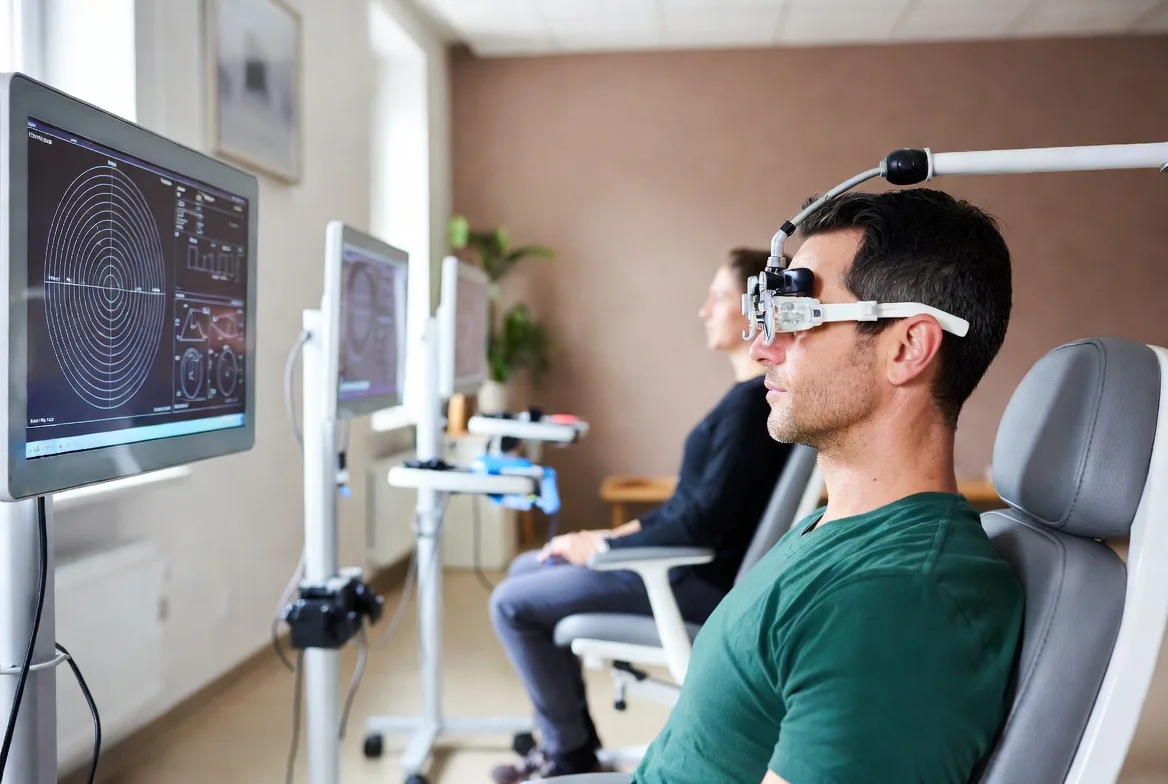
Adult patient undergoing vision therapy treatment
Quick Answer

Vision therapy for adults in Chennai: neuroplasticity, digital eye strain, convergence insufficiency, post-concussion recovery. Never too late for improvement.

Book a Consultation

Is Vision Therapy Effective for Adults?

Vision therapy for adults in Chennai: neuroplasticity, digital eye strain, convergence insufficiency, post-concussion recovery. Never too late for improvement.

A common misconception is that vision therapy only works for children. In reality, the brain retains the ability to adapt and improve throughout life - a phenomenon known as neuroplasticity. Adults can and do benefit significantly from vision therapy.

Neuroplasticity and Adult Vision Therapy

Neuroplasticity refers to the brain's ability to reorganize itself by forming new neural connections. Research demonstrates that the visual system remains adaptable well into adulthood, meaning that visual skills such as eye teaming, focusing, and tracking can be improved at any age with proper therapeutic intervention.

Why Adults Seek Vision Therapy

Adults commonly pursue vision therapy for:

  • Digital eye strain and computer vision syndrome
  • Convergence insufficiency causing headaches and double vision
  • Post-concussion or traumatic brain injury visual symptoms
  • Strabismus (eye turn) affecting depth perception and appearance
  • Amblyopia (lazy eye) seeking functional improvement
  • Visual difficulties following stroke or neurological conditions

Common Conditions Treated with Adult Vision Therapy

Digital Eye Strain

Prolonged screen use often reveals underlying binocular vision problems. Vision therapy strengthens eye coordination and focusing stamina, reducing fatigue, headaches, and visual discomfort during extended computer or device use.

Convergence Insufficiency

This common condition makes it difficult for the eyes to work together at near distances. Symptoms include eyestrain, blurred vision, double vision, and difficulty concentrating. Vision therapy is the most evidence-based treatment, with studies showing significant improvement in adult patients.

Post-Concussion Visual Dysfunction

Traumatic brain injury often disrupts visual processing, eye teaming, and balance. Neuro-optometric rehabilitation helps restore functional vision and reduce symptoms like light sensitivity, dizziness, and reading difficulties following concussion or head trauma.

Amblyopia in Adults

While historically considered untreatable in adults, recent research shows that vision therapy can improve visual acuity and binocular function in adult amblyopia, particularly when combined with advanced dichoptic therapeutic techniques.

What to Expect from Adult Vision Therapy

Adult vision therapy programs are customized based on comprehensive functional testing and individual goals. Treatment typically involves weekly in-office sessions combined with home-based exercises. Progress is monitored objectively, and adjustments are made based on measurable improvements at each assessment.

Treatment Duration for Adults

Most adults complete therapy in 12 to 24 weeks, though complex cases may require longer. Many patients notice functional improvements - such as reduced headaches or better reading comfort - within the first few weeks of consistent therapy.

Is It Worth It?

For adults experiencing chronic visual discomfort, work-related eye strain, or persistent symptoms following injury, vision therapy offers a non-surgical, evidence-based solution. The improvements in quality of life, work performance, and visual comfort can be genuinely life-changing. It's never too late to improve your vision.

Reviewed by Rabindra Kumar Pandey

Vision Therapy Specialist · COVD/OVDRA Fellow & Member

Vision Therapy Specialist at Caring Vision Therapy, Chennai, with extensive experience in pediatric and adult neuro-visual rehabilitation. Fellow & Member of the College of Optometrists in Vision Development (COVD).

Clinical Context

Vision Therapy: Evidence, Outcomes & What Patients Ask

Vision Therapy Success Rate

Clinical research consistently reports high vision therapy success rates for conditions like convergence insufficiency, amblyopia, and oculomotor dysfunction. The landmark CITT (Convergence Insufficiency Treatment Trial) study found that 75–80% of children with convergence insufficiency achieved full or significantly improved binocular function after structured in-clinic vision therapy - far exceeding outcomes from home-based exercises or placebo treatment.

Vision Therapy for Adults

Vision therapy for adults is highly effective and significantly underutilised. The adult brain retains sufficient neuroplasticity for meaningful visual system improvement. Adults with binocular vision dysfunction, post-concussion visual symptoms, and digital eye strain routinely achieve measurable gains in visual comfort, reading stamina, and functional performance through neuro-optometric rehabilitation programmes designed for adult learning patterns and lifestyles.

Eye Coordination Exercises vs Clinical Vision Therapy

Generic eye coordination exercises available online are not evidence-based and cannot replace structured clinical vision therapy. Clinical eye coordination exercises are prescribed after a detailed binocular vision evaluation, progressively calibrated to the patient's specific deficit, and monitored for clinical response. Self-prescribed exercises without clinical assessment often produce no meaningful benefit and may reinforce compensatory patterns that worsen the underlying condition.

Learn more about binocular vision dysfunction treatment · Book a clinical evaluation at Caring Vision Therapy

Frequently Asked Questions

What is the vision therapy success rate for children with reading difficulties?

Research shows that vision therapy success rate for reading-related binocular vision problems is high - particularly for convergence insufficiency, where clinical trials report 75–80% of children achieving significant or complete resolution of symptoms. Success is highest when therapy is commenced early (before age 12), is conducted in-clinic by a certified vision therapist, and is supplemented with consistent home practice. Caring Vision Therapy follows the same protocols used in the landmark CITT research studies.

Is vision therapy for adults as effective as it is for children?

Vision therapy for adults is highly effective, though programmes are tailored differently to adult learning patterns and functional goals. Adults with convergence insufficiency, binocular vision dysfunction after TBI, post-concussion visual symptoms, and digital eye strain all benefit significantly. The adult brain retains visual neuroplasticity well into adulthood - the key is a thorough evaluation to identify the specific functional deficits and a structured programme to address them systematically.

What is neuro-optometric rehabilitation and how is it different from standard vision therapy?

Neuro-optometric rehabilitation is a subspecialty within vision therapy focused on patients whose visual dysfunction is caused or complicated by neurological conditions - including traumatic brain injury (TBI), stroke, concussion, multiple sclerosis, cerebral palsy, and post-COVID visual symptoms. Unlike standard vision therapy (which primarily addresses developmental binocular and oculomotor conditions), neuro-optometric rehabilitation requires specialist training in neuroanatomy, neurological conditions, and brain-visual system interaction. At Caring Vision Therapy, our NORA Affiliated and COVD-certified clinician provides both standard and neuro-optometric rehabilitation under the same roof.

Need a Vision Therapy Evaluation?

Book a comprehensive assessment to determine whether vision therapy can help you or your child. Our COVD/OVDRA Fellow & Member specialists in Chennai are here to guide you with evidence-based care.

Book Appointment