Conditions & Disorders

Binocular Vision Disorders: Symptoms, Diagnosis, and Treatment

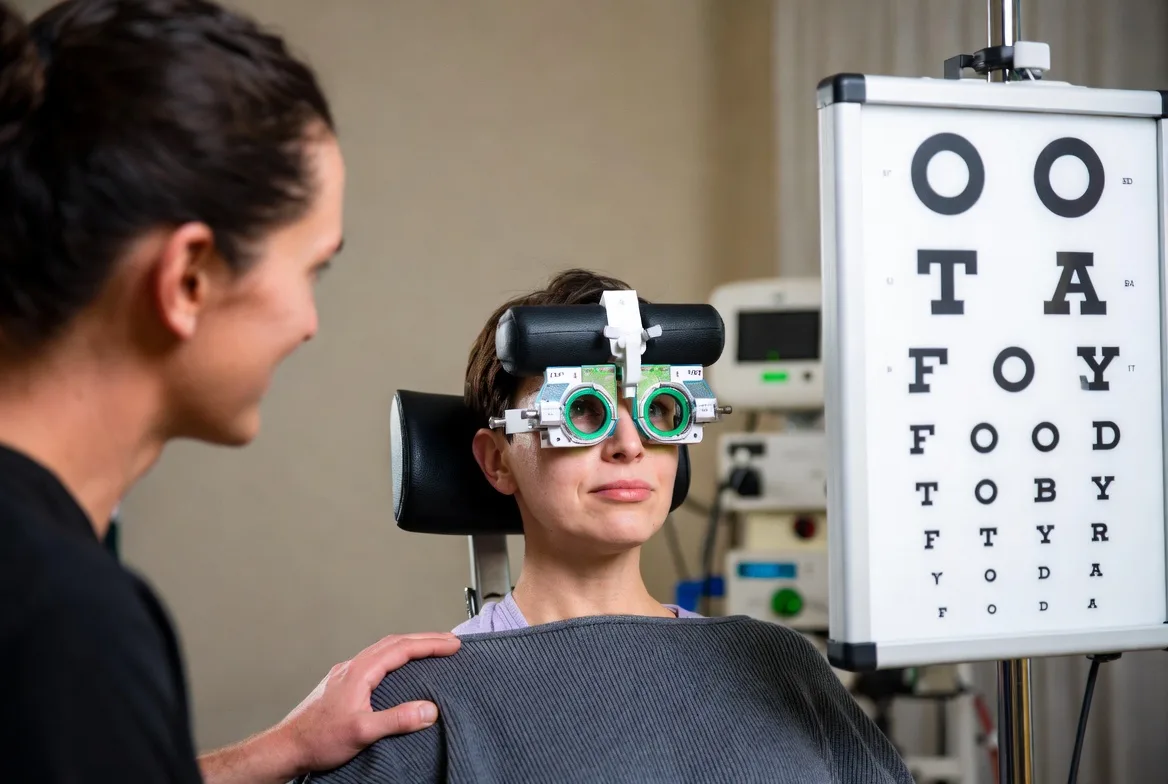
Diagnostic equipment for binocular vision testing
Quick Answer

Binocular vision disorders explained: convergence insufficiency, divergence excess, symptoms, diagnosis, and vision therapy treatment options in Chennai.

Book a Consultation

What Is Binocular Vision Disorder?

Binocular vision disorders explained: convergence insufficiency, divergence excess, symptoms, diagnosis, and vision therapy treatment options in Chennai.

Binocular vision refers to the ability of both eyes to work together as a coordinated team. When this system breaks down, even slightly, it can cause significant visual discomfort and functional difficulties in daily life. Understanding the types, symptoms, and treatments is the first step toward recovery.

What Are Binocular Vision Disorders?

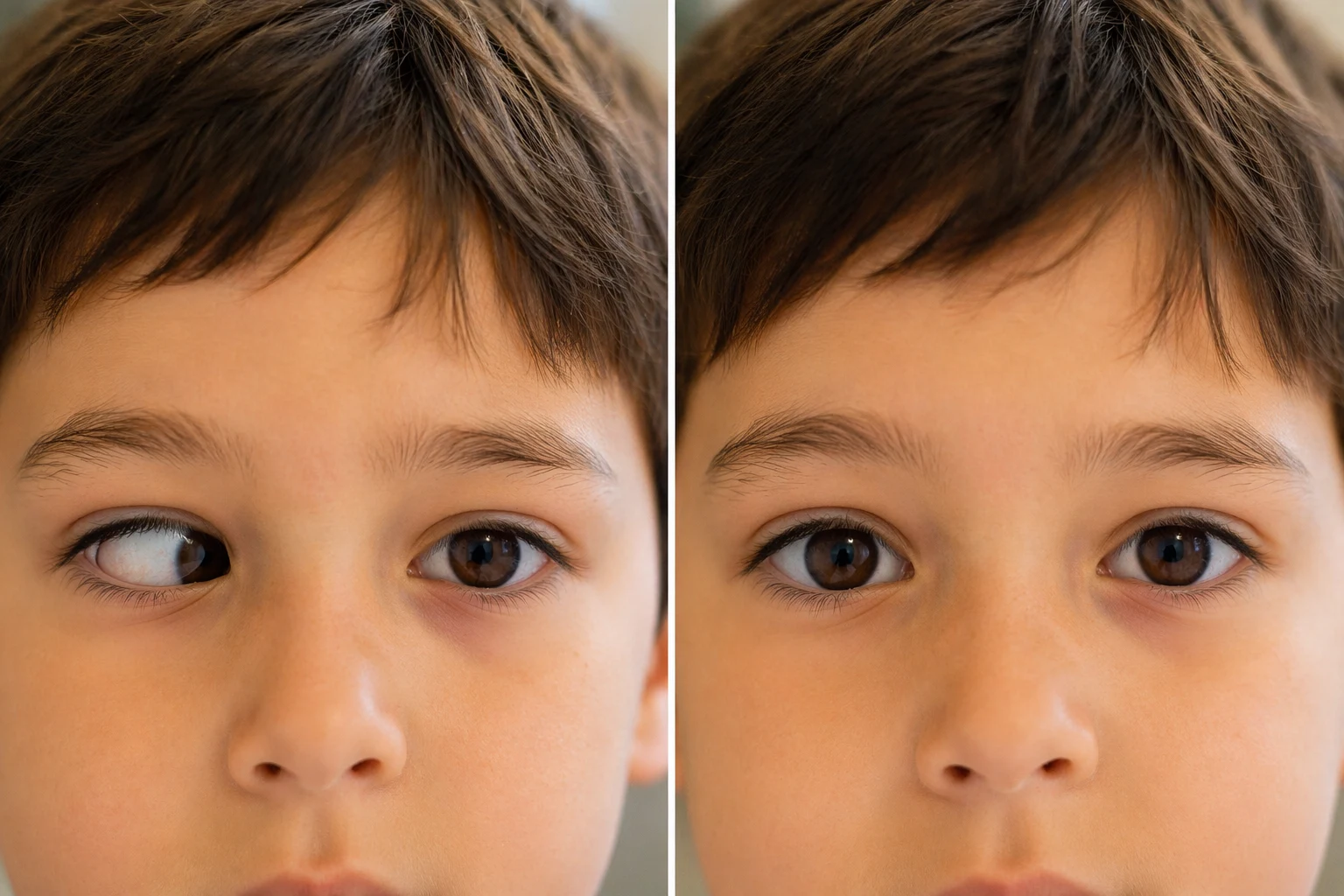
Binocular vision disorders occur when the eyes fail to align or coordinate properly. Unlike strabismus (visible eye turn), many binocular dysfunctions are subtle and often go undetected in standard eye exams. However, they cause real symptoms that significantly impact reading, work performance, and quality of life.

Common Types of Binocular Vision Disorders

Convergence Insufficiency

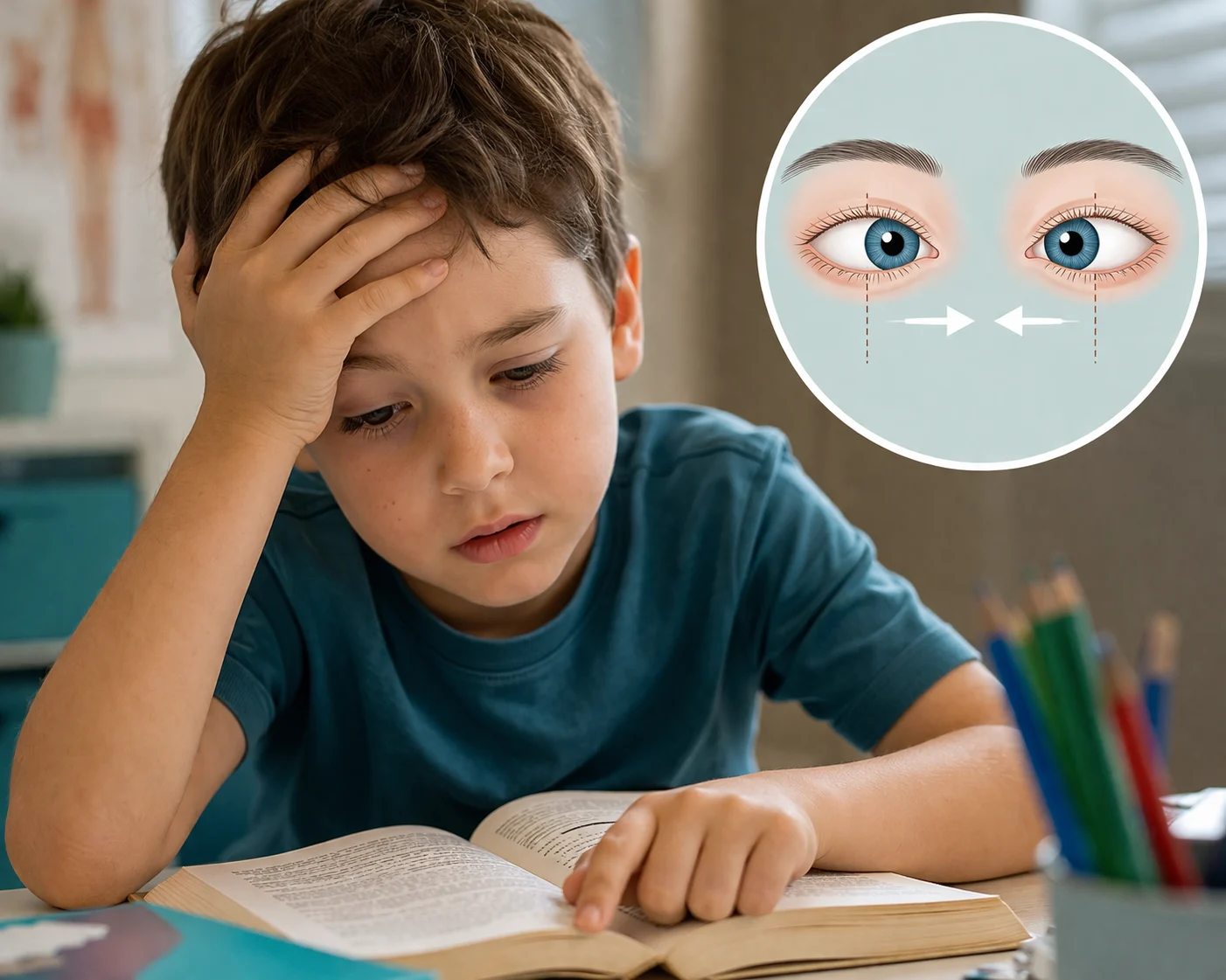
The eyes struggle to turn inward when focusing on near objects. This is one of the most prevalent binocular vision problems, affecting an estimated 5-10% of the population. Symptoms include eyestrain, headaches, blurred vision, double vision, and difficulty concentrating during reading or screen work.

Convergence Excess

The eyes over-converge at near distances, causing visual discomfort, blur, and difficulty sustaining near tasks. Often accompanied by accommodative spasm (focusing problems), leading to visual fatigue during close work.

Divergence Insufficiency

Difficulty aligning the eyes when looking at distant objects, causing blur or double vision at far distances - particularly noticeable when driving, watching presentations, or viewing a whiteboard.

Vertical Heterophoria

A subtle vertical misalignment between the eyes that forces the brain to work harder to fuse images. This often causes headaches, dizziness, neck pain, and reading difficulties that are easily misattributed to other conditions.

Symptoms of Binocular Vision Disorders

  • Frequent headaches, especially after reading or screen use
  • Eyestrain or tired eyes after visual tasks
  • Blurred or double vision
  • Words appearing to move or float on the page
  • Difficulty concentrating on visual tasks
  • Losing place frequently when reading
  • Closing or covering one eye for comfort
  • Poor depth perception

How Are Binocular Vision Disorders Diagnosed?

Accurate diagnosis requires a comprehensive functional vision examination that goes well beyond standard visual acuity testing. Specialized tests assess:

  • Eye alignment and coordination at near and far distances
  • Vergence ranges (ability to converge and diverge the eyes)
  • Accommodative (focusing) function and flexibility
  • Eye tracking precision and fixation stability
  • Binocular integration and suppression patterns

Treatment Options for Binocular Vision Disorders

Vision Therapy

The gold-standard treatment for most binocular vision disorders. Vision therapy is a structured program of exercises designed to improve eye coordination, vergence ranges, and visual stamina. Clinical studies, particularly for convergence insufficiency, demonstrate success rates of 70-90% with properly prescribed programs.

Corrective Lenses and Prism

Specialized lenses with prism or specific prescriptions can reduce symptoms by altering how light enters the eyes, making it easier for the visual system to maintain alignment. Prism lenses are often used as an adjunct to vision therapy for optimal outcomes.

Combination Approach

Often, the best outcomes are achieved by combining vision therapy with appropriate corrective lenses, tailored to the individual's specific visual dysfunction and severity level.

Prognosis and Long-Term Outcomes

With proper diagnosis and evidence-based treatment, most patients experience significant improvement or complete resolution of symptoms. Vision therapy strengthens the eye-brain connection, allowing for comfortable, efficient binocular vision in all daily activities - from reading and computer work to sports and driving.
Reviewed by Rabindra Kumar Pandey

Vision Therapy Specialist · COVD/OVDRA Fellow & Member

Vision Therapy Specialist at Caring Vision Therapy, Chennai, with extensive experience in pediatric and adult neuro-visual rehabilitation. Fellow & Member of the College of Optometrists in Vision Development (COVD).

Clinical Context

Vision Therapy: Evidence, Outcomes & What Patients Ask

Vision Therapy Success Rate

Clinical research consistently reports high vision therapy success rates for conditions like convergence insufficiency, amblyopia, and oculomotor dysfunction. The landmark CITT (Convergence Insufficiency Treatment Trial) study found that 75–80% of children with convergence insufficiency achieved full or significantly improved binocular function after structured in-clinic vision therapy - far exceeding outcomes from home-based exercises or placebo treatment.

Vision Therapy for Adults

Vision therapy for adults is highly effective and significantly underutilised. The adult brain retains sufficient neuroplasticity for meaningful visual system improvement. Adults with binocular vision dysfunction, post-concussion visual symptoms, and digital eye strain routinely achieve measurable gains in visual comfort, reading stamina, and functional performance through neuro-optometric rehabilitation programmes designed for adult learning patterns and lifestyles.

Eye Coordination Exercises vs Clinical Vision Therapy

Generic eye coordination exercises available online are not evidence-based and cannot replace structured clinical vision therapy. Clinical eye coordination exercises are prescribed after a detailed binocular vision evaluation, progressively calibrated to the patient's specific deficit, and monitored for clinical response. Self-prescribed exercises without clinical assessment often produce no meaningful benefit and may reinforce compensatory patterns that worsen the underlying condition.

Learn more about binocular vision dysfunction treatment · Book a clinical evaluation at Caring Vision Therapy

Frequently Asked Questions

What is the vision therapy success rate for children with reading difficulties?

Research shows that vision therapy success rate for reading-related binocular vision problems is high - particularly for convergence insufficiency, where clinical trials report 75–80% of children achieving significant or complete resolution of symptoms. Success is highest when therapy is commenced early (before age 12), is conducted in-clinic by a certified vision therapist, and is supplemented with consistent home practice. Caring Vision Therapy follows the same protocols used in the landmark CITT research studies.

Is vision therapy for adults as effective as it is for children?

Vision therapy for adults is highly effective, though programmes are tailored differently to adult learning patterns and functional goals. Adults with convergence insufficiency, binocular vision dysfunction after TBI, post-concussion visual symptoms, and digital eye strain all benefit significantly. The adult brain retains visual neuroplasticity well into adulthood - the key is a thorough evaluation to identify the specific functional deficits and a structured programme to address them systematically.

What is neuro-optometric rehabilitation and how is it different from standard vision therapy?

Neuro-optometric rehabilitation is a subspecialty within vision therapy focused on patients whose visual dysfunction is caused or complicated by neurological conditions - including traumatic brain injury (TBI), stroke, concussion, multiple sclerosis, cerebral palsy, and post-COVID visual symptoms. Unlike standard vision therapy (which primarily addresses developmental binocular and oculomotor conditions), neuro-optometric rehabilitation requires specialist training in neuroanatomy, neurological conditions, and brain-visual system interaction. At Caring Vision Therapy, our NORA Affiliated and COVD-certified clinician provides both standard and neuro-optometric rehabilitation under the same roof.

Need a Vision Therapy Evaluation?

Book a comprehensive assessment to determine whether vision therapy can help you or your child. Our COVD/OVDRA Fellow & Member specialists in Chennai are here to guide you with evidence-based care.

Book Appointment