Explore Neuro Optometric Rehabilitation Therapy (NORT) for Visual Snow Syndrome including photophobia, dizziness, visual motion sensitivity, binocular dysfunction, and neuro visual rehabilitation at Caring Vision Chennai.
Book a ConsultationWhat Is Neuro Optometric Rehabilitation Therapy (NORT)?
Explore Neuro Optometric Rehabilitation Therapy (NORT) for Visual Snow Syndrome including photophobia, dizziness, visual motion sensitivity, binocular dysfunction, and neuro visual rehabilitation at Caring Vision Chennai.
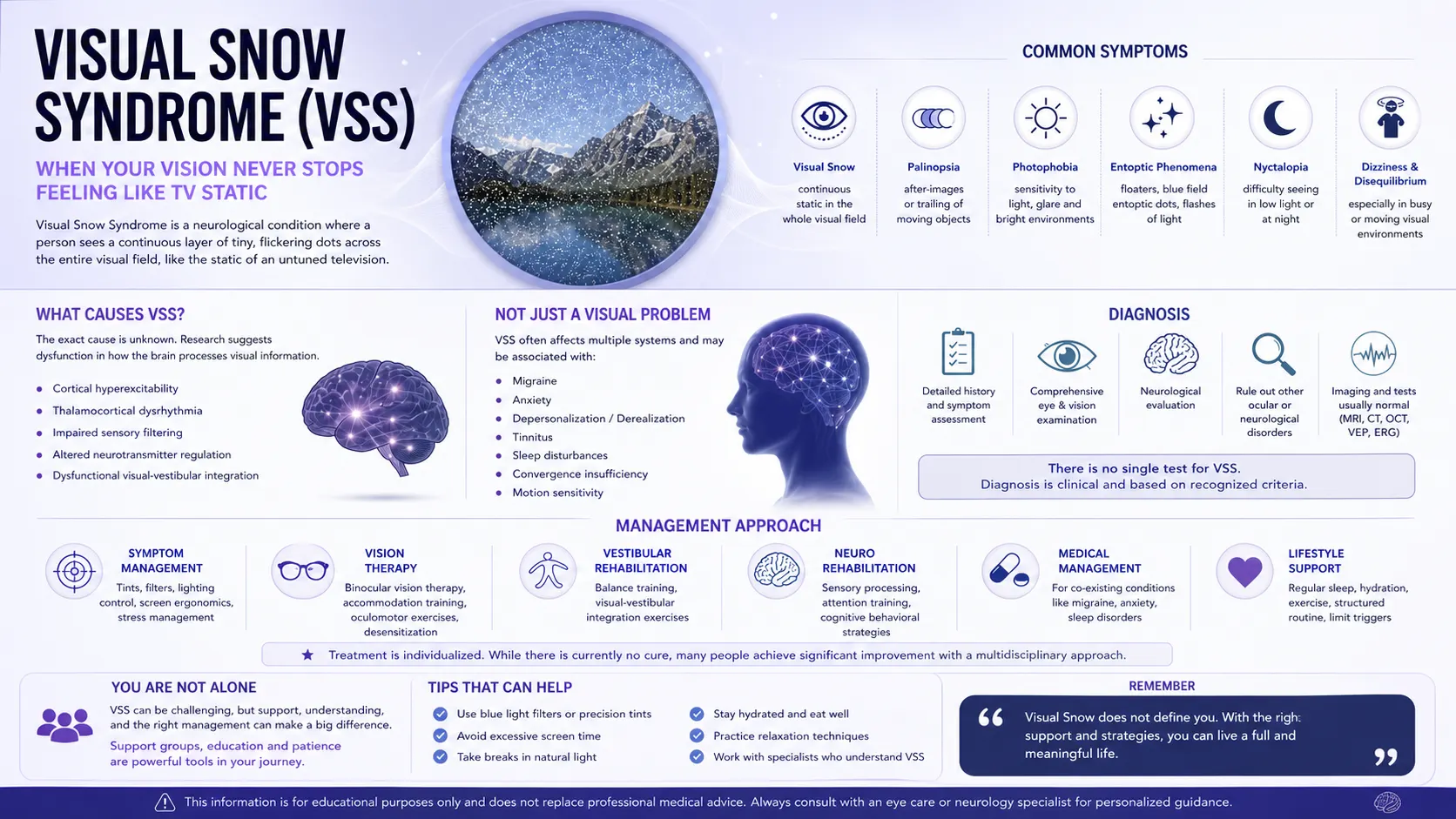
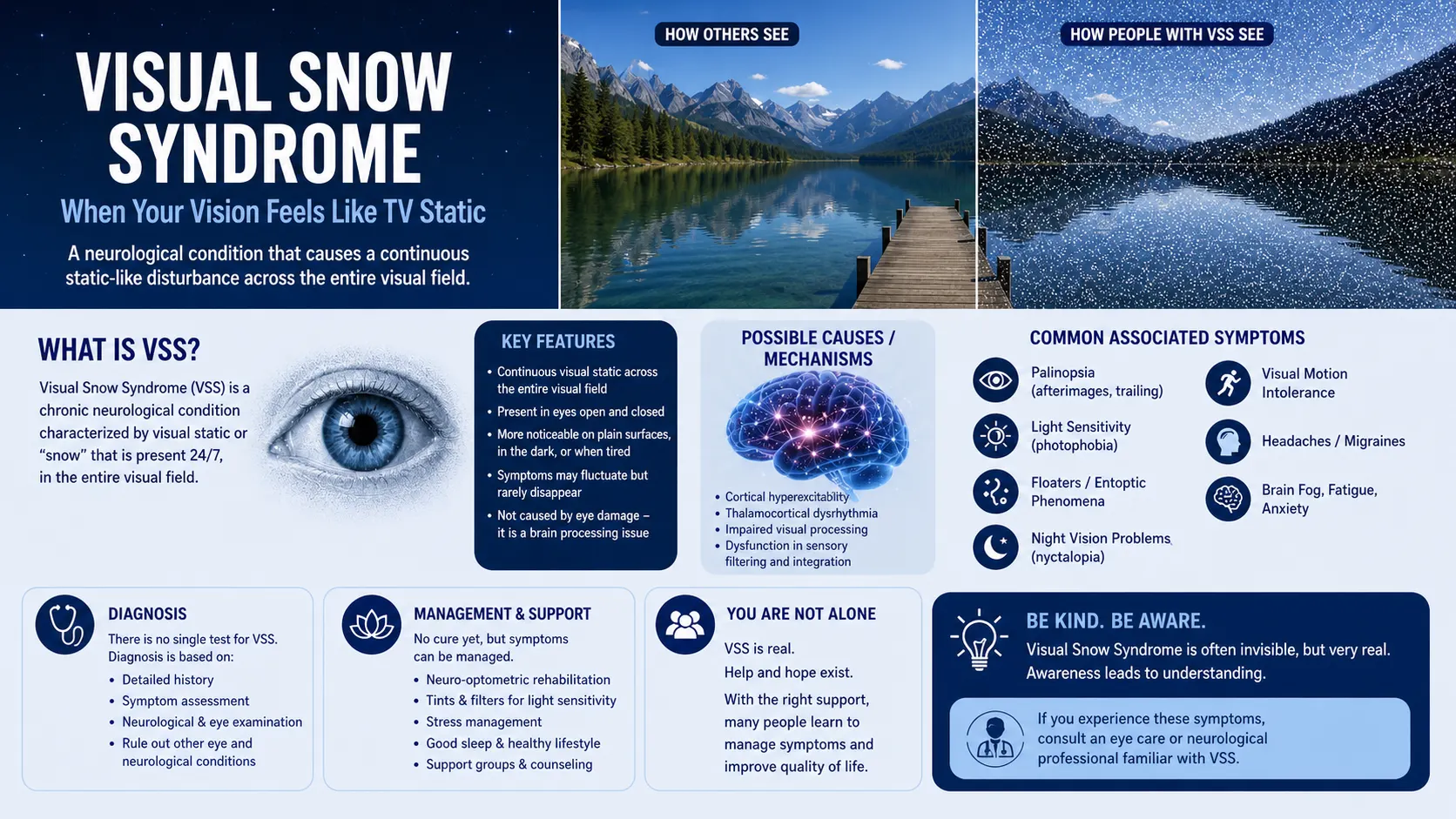
Visual Snow Syndrome (VSS) is a chronic neurological visual processing condition characterised by continuous flickering dots across the visual field. Most patients also experience palinopsia, photophobia, entoptic phenomena, night vision problems, visual motion intolerance, dizziness, binocular vision dysfunction, and reading fatigue - a symptom cluster that significantly impacts daily life.
Although routine neuroimaging and eye examinations typically appear normal, research suggests underlying dysfunction involving cortical hyperexcitability, thalamocortical dysrhythmia, sensory gating abnormalities, altered visual-vestibular integration, and oculomotor instability. Because VSS affects multiple visual and neurological systems simultaneously, a multi-component rehabilitation approach is essential.
For a detailed understanding of the condition itself, read our clinical guide on Visual Snow Syndrome - symptoms, causes, and the overall clinical picture.
What Is Neuro Optometric Rehabilitation Therapy?
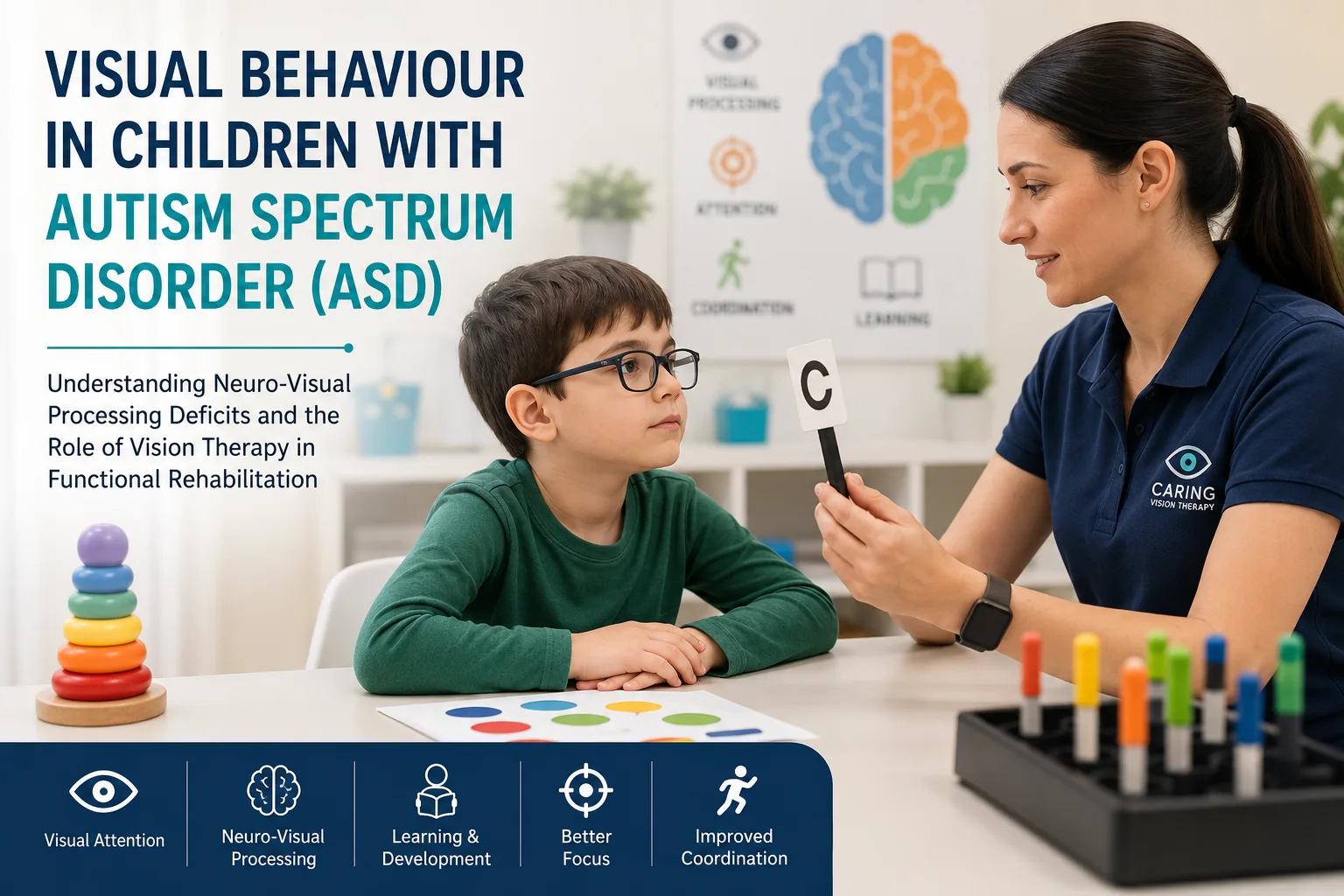
Neuro Optometric Rehabilitation Therapy (NORT) is a structured vision rehabilitation programme designed to improve how the brain processes visual information. Rather than attempting to eliminate the visual snow itself, NORT focuses on reducing symptom burden through improved visual efficiency, restoring sensorimotor control of eye movements, reducing dizziness and motion sensitivity, enhancing reading performance and stamina, and improving balance and spatial confidence in demanding environments.
Why NORT Is Particularly Important in Visual Snow Syndrome
Patients with VSS frequently demonstrate clinically measurable dysfunctions beyond the visual static itself - accommodative dysfunction, vergence instability, reduced fusional reserves, poor smooth pursuits, saccadic inaccuracies, vestibulo-ocular reflex dysfunction, postural instability, photophobia, and delayed visual processing during cognitive tasks. Each of these deficits increases cortical stress and may worsen overall symptom awareness. NORT targets these dysfunctions systematically through individualised protocols rather than applying a generic programme to every patient.
Components of Neuro Optometric Rehabilitation Therapy
A comprehensive NORT programme addresses several interconnected systems. The specific components and emphasis are determined by each patient's individual clinical profile established through neuro-optometric evaluation.
Precision Refraction and Lens Optimisation
Even minimal uncorrected refractive errors can significantly increase accommodative stress and sensory overload in VSS patients. Clinical assessment includes full subjective refraction, cycloplegic refraction, binocular balancing, correction of subtle astigmatic errors, and trial frame analysis. Optimising optical correction reduces baseline visual effort in an already stressed system, leading to reduced visual fatigue, fewer headaches, and improved therapy tolerance.
Precision Tints and Chromatic Filters
Many VSS patients experience abnormal light processing and cortical hypersensitivity. Specialised precision filters - including FL-41 filters, blue selective filters, rose tints, amber filters, and custom chromatic modulation lenses - may help reduce light sensitivity, glare intolerance, visual overload, migraine overlap symptoms, and screen discomfort. Selection is based on individual clinical testing rather than standard prescriptions, and benefits include better indoor and outdoor comfort, reduced symptom amplification, and improved digital screen endurance.
Accommodation Rehabilitation Therapy
VSS patients commonly demonstrate accommodative insufficiency, reduced focusing flexibility, accommodative lag, or spasm of the near reflex. Therapy including monocular accommodative rock, binocular facility training, Hart chart shifts, dynamic focusing drills, and lens sorting exercises aims to improve focusing flexibility and reduce sustained near-point stress - a significant contributor to reading fatigue and headache in this population.
Vergence and Binocular Vision Therapy
Common binocular findings in VSS include convergence insufficiency, exophoria at near, poor fusional vergence, fixation disparity, and intermittent suppression. Rehabilitation strategies including Brock string therapy, barrel card exercises, vectograms, tranaglyphs, and prism fusion activities progressively build binocular function range and stamina, improving visual stability, reducing eye strain, and enhancing reading endurance.
Oculomotor Rehabilitation Therapy
Poor pursuits, saccadic dysmetria, reduced fixation stability, and slow gaze shifting are common oculomotor findings in VSS. Therapy including saccadic accuracy drills, Hart chart saccades, Marsden ball tracking, metronome-guided gaze shifts, and rotator pegboard exercises improves gaze precision and stabilises the quality of visual input reaching the brain for processing.
Visual Motion Desensitisation Therapy
Many VSS patients struggle significantly in busy visual environments - crowded spaces, supermarkets, traffic, and scrolling screens. Rehabilitation through optokinetic stimulation, controlled scrolling exposure, pattern desensitisation, and dynamic peripheral awareness drills gradually improves motion filtering tolerance and reduces visually induced dizziness. Progress is staged carefully to avoid symptom provocation during rehabilitation.
Visual-Vestibular Rehabilitation Therapy
Vestibular symptoms including disequilibrium, motion sensitivity, dizziness, head movement intolerance, and PPPD-like presentations are common in VSS. Therapy including vestibulo-ocular reflex exercises, gaze stabilisation, head-eye coordination drills, walking fixation tasks, and balance integration activities can produce improved balance, reduced dizziness, better movement confidence, and less sensitivity in crowded environments.
Peripheral Awareness and Spatial Orientation Training
Patients with VSS often develop tunnelised attention - overfocusing on central visual static while peripheral spatial awareness diminishes. Therapy goals include improving peripheral awareness, enhancing spatial orientation, and shifting attentional focus away from the central noise. This can paradoxically make the experience of static more tolerable by reducing its cognitive salience.
Reading Rehabilitation Therapy
Common reading symptoms in VSS include losing place while reading, skipping lines, slow reading speed, and rapid cognitive fatigue. Guided saccadic reading strips, tachistoscopic training, fixation pacing drills, and reading anchor strategies can measurably improve reading efficiency and reduce the cognitive load of sustained near work.
Autonomic Regulation and Visual Load Management
Visual Snow symptoms frequently worsen with stress, sleep deprivation, anxiety, excessive screen exposure, and sympathetic overactivation. Supportive strategies including structured visual pacing, controlled work-rest cycles, ergonomic screen setup, light hygiene, and breathing regulation are an important adjunct to the core therapy programme - particularly for patients with significant anxiety or migraine overlap.
Typical NORT Treatment Structure
A typical rehabilitation programme includes one to two in-office sessions per week, daily home therapy exercises reinforcing clinic work, and periodic reassessment every four to six weeks to monitor progress and adjust the programme. Treatment duration varies by symptom severity and the range of systems involved. Many programmes range from eight to twenty-four weeks, with some patients benefiting from extended maintenance therapy.
Expected Benefits of NORT in Visual Snow Syndrome
Many patients report reduced visual stress, better reading comfort and stamina, improved concentration, reduced dizziness, lower light sensitivity, better screen tolerance, and improved daily functionality. While some continue to perceive residual visual snow, functional disability often improves significantly - which is the primary therapeutic goal for most patients.
Why Individualised Therapy Matters
No single NORT protocol is effective for every VSS patient. Successful rehabilitation must account for the individual's binocular vision status, oculomotor findings, vestibular involvement, symptom triggers, occupational visual demands, migraine overlap, and autonomic factors. A thorough neuro-optometric evaluation is the essential foundation for effective, targeted treatment planning.
The Caring Vision Approach to Neuro Optometric Rehabilitation
At Caring Vision, rehabilitation programmes are built from detailed assessment findings rather than generic protocols. Our integrated approach may include neuro-optometric rehabilitation, binocular vision therapy, precision therapeutic tints, visual-vestibular rehabilitation, reading rehabilitation, motion sensitivity therapy, and long-term progress monitoring.
For patients who have been told their eyes are normal but continue to experience significant daily visual symptoms, a comprehensive neuro-optometric evaluation is the appropriate next step. Read more about Visual Snow Syndrome - its symptoms, causes, and the full clinical picture - to understand what a structured evaluation looks for and why rehabilitation matters.
Explore More at Caring Vision Therapy
Frequently Asked Questions
What is Neuro Optometric Rehabilitation Therapy?
Neuro Optometric Rehabilitation Therapy (NORT) is a structured vision rehabilitation programme designed to improve visual processing, eye coordination, focusing ability, balance integration, and visual comfort. It is used for conditions including Visual Snow Syndrome, post-concussion visual symptoms, and other neuro-visual conditions.
Can NORT cure Visual Snow Syndrome?
NORT is not designed to eliminate visual snow directly. However, many patients experience significant improvement in functional ability and symptom management through therapy. The goal is to reduce the burden of symptoms and improve daily visual performance.
Does vision therapy help dizziness and motion sensitivity in Visual Snow Syndrome?
Yes. Visual-vestibular rehabilitation and gaze stabilisation exercises within a NORT programme may improve dizziness, motion intolerance, and vestibular symptoms by retraining the coordination between the visual and balance systems.
Are precision tinted lenses useful in Visual Snow Syndrome?
Some patients benefit considerably from precision therapeutic tints that are clinically selected based on individual testing. These are not standard tinted glasses but specifically formulated filters designed to reduce cortical light sensitivity and visual overload.
How long does Neuro Optometric Rehabilitation Therapy take?
Treatment duration varies depending on symptom severity and the range of systems involved. Many programmes range from eight to twenty-four weeks of structured in-clinic therapy plus home exercises, with some patients benefiting from longer maintenance periods.
Is NORT available in Chennai?
Yes. Caring Vision Therapy in Chennai offers Neuro Optometric Rehabilitation Therapy for patients with Visual Snow Syndrome and related neuro-visual conditions, conducted by COVD/OVDRA certified specialists.